
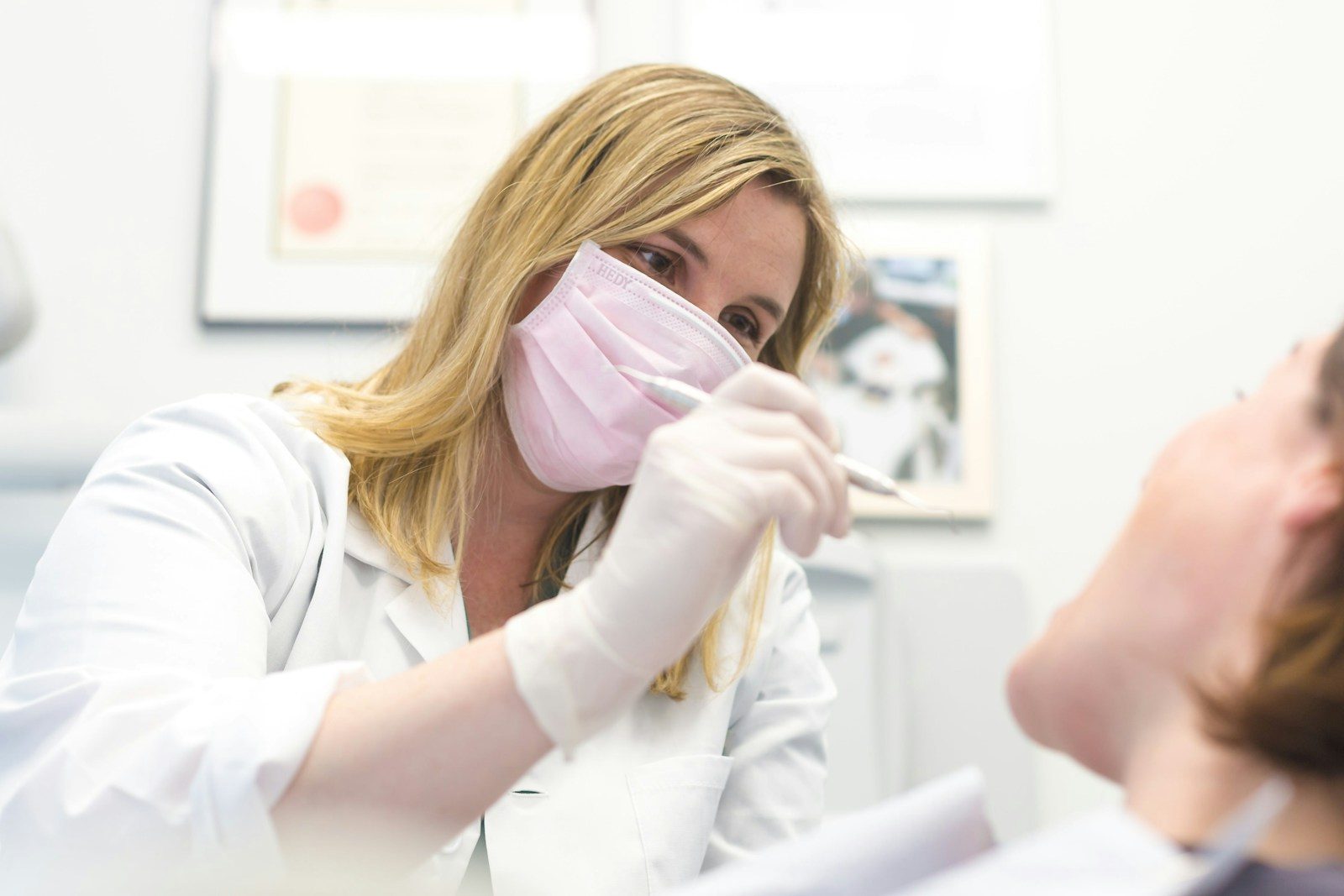
Dental care during pregnancy is not optional. The hormonal changes that come with pregnancy increase the risk of gum disease, tooth decay, and a condition called pregnancy gingivitis, which affects the majority of pregnant women to some degree. Left untreated, gum disease during pregnancy has been linked in research to preterm birth and low birth weight. The American College of Obstetricians and Gynecologists recommends routine dental care throughout pregnancy, including cleanings, X-rays when needed, and any necessary treatment. What most pregnant women do not know is that several programs make this care available at little or no cost, and eligibility is often broader than people expect.
Medicaid Dental Coverage During Pregnancy
This is the most important program on the list and the one with the widest reach. Every state is required to provide at minimum emergency dental services to pregnant women enrolled in Medicaid. Beyond that baseline, a growing number of states have expanded Medicaid dental benefits for pregnant women to include comprehensive coverage such as cleanings, X-rays, fillings, extractions, and periodontal treatment. States including California, New York, Illinois, Texas, and Florida have all expanded pregnancy dental benefits in recent years. Pregnancy itself is a pathway to Medicaid eligibility in every state regardless of immigration status for many applicants, meaning a pregnant woman who does not currently have Medicaid may qualify specifically because she is pregnant. The Medicaid.gov state contacts page connects you to your state’s Medicaid agency where you can confirm what dental services are covered for pregnant enrollees in your state.
WIC Program Dental Referrals and Partnerships
The Special Supplemental Nutrition Program for Women, Infants, and Children (WIC) does not provide dental care directly, but WIC clinics are one of the most consistent points of contact for pregnant women who need referrals to free and low-cost dental services in their area. Many WIC programs have formal partnerships with local dental clinics, dental schools, and community health centers that provide care to WIC participants at reduced or no cost. WIC staff are trained to screen for unmet health needs and make warm referrals rather than simply handing out a phone number. If you are already enrolled in WIC, asking your WIC counselor directly about dental referrals is one of the most efficient steps you can take. If you are not yet enrolled, the WIC eligibility and enrollment page confirms income thresholds, which extend to 185% of the federal poverty level.
Federally Qualified Health Centers
Federally Qualified Health Centers (FQHCs) are community health clinics funded by the federal government that serve all patients on a sliding fee scale regardless of insurance status. Most FQHCs offer dental services alongside primary care, and those dental services are available to pregnant women at fees based on household income. For a household at or below the federal poverty level, dental care at an FQHC is typically free. For households above that threshold, fees are calculated proportionally to income and are significantly lower than private dental rates. Many FQHCs have dedicated prenatal care programs that coordinate dental and medical care together, which is particularly useful during pregnancy when both types of care are happening simultaneously. The HRSA Health Center Finder locates the nearest FQHC by zip code and shows which services each location offers.
Dental School Clinics
Dental school clinics are among the most underused sources of affordable care for pregnant women. Students training to become dentists and dental hygienists perform all standard procedures under close faculty supervision, and fees are dramatically lower than private practice rates, often 50% to 80% less. Dental schools provide cleanings, fillings, crowns, extractions, and periodontal care. Pregnant women are eligible to receive care at dental school clinics the same as any other patient. Many dental schools accept Medicaid, which means a pregnant woman on Medicaid may be able to access dental school care at no out-of-pocket cost while also benefiting from the more appointment availability that dental schools tend to offer compared to private practices. The American Dental Association’s dental school directory finds accredited dental schools by state.
State and Local Maternal Health Programs
Many states run maternal health programs that include dental care as a covered service or that fund dental care through county-level health departments. These programs vary significantly in name and structure. California’s Medi-Cal dental program covers comprehensive dental care for pregnant women enrolled in Medi-Cal with no cost sharing. New York’s Medicaid program covers dental cleanings every six months for pregnant women. Several states have launched pilot programs specifically targeting the dental care gap during pregnancy as part of broader maternal health initiatives. Your state’s department of health website is the authoritative source for what is currently available. Searching your state’s name alongside “pregnant women dental program” or “prenatal dental assistance” produces the most relevant results for state-specific programs.
Nonprofit Dental Clinics and Safety Net Providers
Community dental clinics operated by nonprofits serve low-income patients including pregnant women at reduced or no cost. The National Association of Free and Charitable Clinics (NAFC) has a searchable directory of free clinics across the country, many of which include dental services. Local United Way chapters and community action agencies maintain lists of dental safety net providers in their service areas. The 211 helpline is one of the fastest ways to identify which dental safety net providers are currently accepting patients near you. Many of these clinics have shorter waitlists than dental schools and are specifically accustomed to working with patients who are pregnant or recently postpartum.
Dental Discount Plans as a Low-Cost Alternative
For pregnant women who do not qualify for Medicaid and do not have employer dental insurance, dental discount plans are a low-cost alternative worth considering. These are not insurance. They are membership programs where you pay an annual fee, typically between $80 and $200, and receive access to a network of dentists who agree to provide services at pre-negotiated reduced rates. Discounts of 20% to 50% on common procedures are typical. Plans like Careington, Aetna Dental Access, and Cigna Dental Savings are widely available and have no waiting periods, which makes them useful for pregnant women who need care quickly. The National Association of Dental Plans provides guidance on the difference between insurance and discount plans and what to look for before enrolling.
Why Starting Early in Pregnancy Matters
The first trimester is the ideal time to schedule a dental visit and address any existing issues before they worsen. Elective procedures are generally most safely performed during the second trimester when the risk of pregnancy complications from dental treatment is lowest, but necessary treatment is considered safe at any stage of pregnancy. The American Dental Association’s guidance on dental care during pregnancy makes clear that untreated dental problems pose a greater risk to a pregnant woman and her baby than any properly administered dental treatment. Accessing prenatal dental programs early means any issues identified can be treated during the safest window and that the remainder of the pregnancy is not spent managing a dental problem that has become more complicated over time.
Leave a Reply